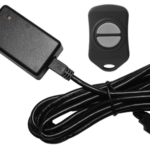
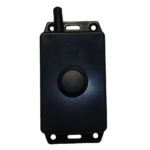
TeamAlert is proven school safety and security software that will minimize your notification time of multiple parties to mere seconds while centralizing communication during an incident. Notify breads down any notification and/or communication barriers faced by our clients. Unlike traditional panic buttons, Notify can alert everyone - including first responders - in just seconds! We believe that every school should have our Notify program as an enhanced security system, especially during times such as this when heightened security measures are needed
It’s unfortunate that recent events are showing a need for increased security initiatives. In the business world, security initiatives take resources away from handling business that will drive to company profits. Over the past 15 years, I have been in law enforcement and working as a school resource officer. I can tell you that enacting additional security measures becomes more of a nuisance because they commonly result in an organization having to change the natural flow of operations. Now, I can go over commonly used security initiatives many organizations use that are not very effective during an active crisis. A panic button system is a versatile system that can be for whatever direction comes from (internal or external force). I do support security initiatives when they are effective while not inferring with daily operations. So, here are five reasons why I believe USB panic buttons are always the best option:
Over the past several years I have given several presentations regarding safety and security. The common question I get is that all safety and security training and information focuses on the problem and doesn’t necessarily give a solution. That’s why I have always focused on giving solutions rather than stating the problem. Obviously, we know there’s a problem or I wouldn’t be there to discuss solutions. Let’s dig into what an incident response plan is and how to start implementing one for your facility.
What is an Incident Response Plan?
People may argue with me, but there is a big difference between a safety plan and an incident response plan. A safety plan encompasses all safety concerns that can happen on a daily basis. An incident response plan focuses on major events that could have a traumatic impact on the quality of life for you and patrons. An incident response plan should be simple and to the point. The biggest thing that can be accomplished by an incident response plan is giving your staff a proactive way to respond to a reactive situation. People always revert back to the way they were trained in high stress situations. Not being trained could result in unneeded panic that leads to a significant increase in the potential for injury.
In my 15 year tenure as a police officer I was able to attend several training classes and become certified in incident response. Today, the biggest threat that has most Americans worried is global terrorism; however, let’s not forget domestic terrorism as also being a threat. The first thing that comes to mind to most business managers is having the doors locked with a buzz-in system. Good idea? Let’s examine the concept of having a buzz-in system for your facility.
Security is a growing need in many churches, synagogues or any place of worship. While it might not be needed for some churches, many places of worship that are implementing the idea are finding that their security problems are waning. Creating a security team is a great idea, but would it be worth forming if mass chaos breaks out and there is no plan in place to help if security is breached? Think about it, having a plan in place during a time of panic is crucial in making sure people stay safe and orderly. Those who know what to do in a time of emergency often become survivors of that incident.
Through my experience, I have had many people ask me about their workplace
safety and reception area. I have noticed that each place has unique threats and they’re looking at a way to increase safety and security. I always want to make sure they have a response plan in place in the event an intruder has made entry into their facility. Incident response is the most important part of workplace safety and security. The idea of a panic button is a tool that can be used in conjunction with procedures that are designed to greatly reduce injury.
So…yes, your reception area does need a panic button! There are too many threats in all industries to not have a direct link to first responders. The bigger question is what would be the best bang for the buck. Most threats start at the entrance of a facility and that is where the immediate response can start as well. I believe most people are unsure of how a panic button actually works since they vary. I always recommend using technology to create a safer environment.
Does installing a panic button require hard wiring?
In some cases panic buttons require hard wiring into the phone system. This usually requires a representative from the phone company coming out and actually running the wires. In other cases, you can have a “plug and play” push panic button. This means you can plug the panic button into a spare USB port of any computer and will work with a certain alert or panic system. The option of “plug and play” is a much better option for time, money, and efficiency.
Can the panic button make a phone call?
This depends on what service you get. Places like museums, shopping malls, schools, and courthouses may have their own in house security to respond to situations. The most important part of having a phone call placed is to ensure it goes directly to your local responders. Make sure you can designate what responders would benefit ending the crises as soon as possible.